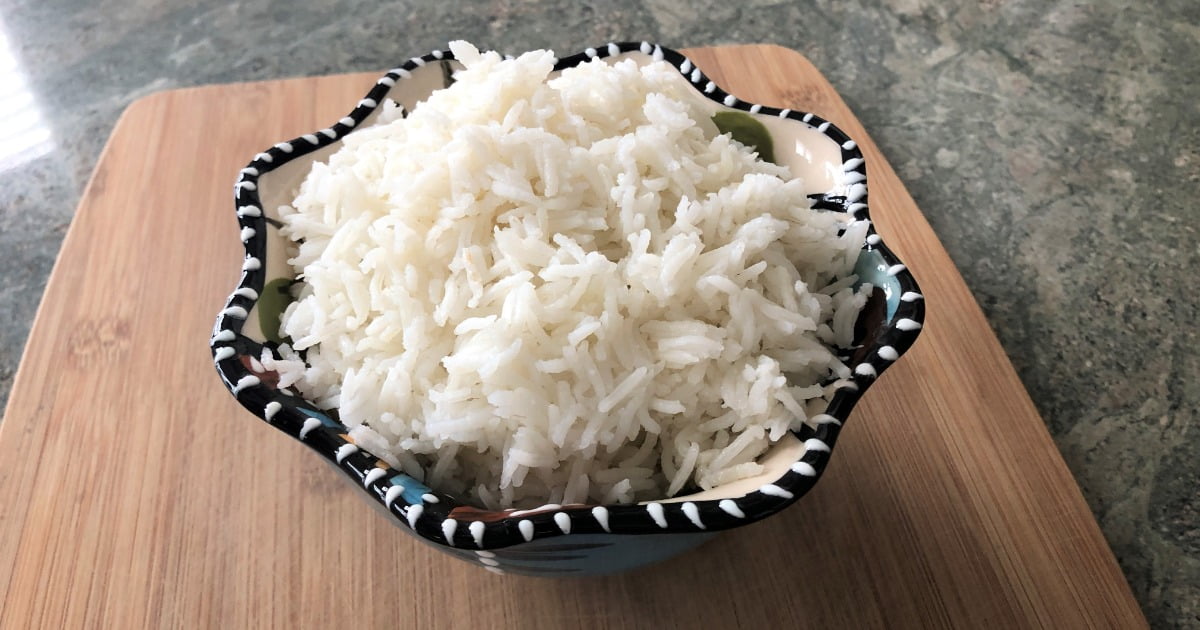
Master Fluffy Long-Grain White Rice: Stove-Top Recipe & Steaming Secret
Have you ever stared down a pot of rice, hoping for fluffy perfection, only to end up with a sticky, mushy mess or a dry, crunchy disappointment? You're not alone! The quest for perfectly cooked rice can feel like a culinary challenge, but we're here to tell you that mastering this kitchen staple is far simpler than you might imagine. Forget the fear of "rice fails" and put that rice cooker back in the cupboard – with a few simple techniques and a game-changing steaming secret, you'll learn
how to cook rice that's consistently light, separate, and utterly delicious, all on your stovetop.
This comprehensive guide will walk you through the precise steps to achieve that coveted fluffy texture with long-grain white rice, transforming your side dishes and meals from good to exceptional. Get ready to impress yourself and your family with rice that truly shines.
The Essential Ingredients for Perfect Rice
While the process itself is straightforward, the quality and type of your ingredients play a crucial role in the final outcome. For this particular method of
how to cook rice, we're focusing specifically on long-grain white rice.
*
Long-Grain White Rice: This recipe is meticulously crafted for long-grain white rice. Its slender, elongated grains, with a lower starch content than shorter varieties, naturally tend to cook up fluffier and more separate. Attempting to substitute other rice types like medium-grain, short-grain, or brown rice will yield different results, as they have distinct cooking times and water absorption rates. If you're keen to explore other varieties, be sure to seek out recipes specifically tailored for them.
*
Water: The lifeblood of your rice. The precise water-to-rice ratio is critical, and for long-grain white rice, we find 1.5 cups of water for every 1 cup of rice delivers optimal fluffiness without sogginess. While you might encounter a 2:1 ratio for rice overall, for long-grain white, reducing the water slightly helps prevent an overly wet texture. For more insights on water ratios for various rice types, check out our guide on
Achieve Perfect Rice: Essential Water Ratios & Rinsing Tips.
*
Kosher Salt: More than just flavor, salt enhances the entire rice-eating experience. We recommend Diamond Crystal kosher salt due to its larger granules, which make it easier to season evenly without over-salting. If you're using Morton kosher salt, which is denser, you might want to use roughly half the amount specified in the recipe. Always adjust to your personal preference – a quarter teaspoon increment is a good starting point for modification.
Step-by-Step Guide: How To Cook Rice Fluffy Every Time
This method breaks down the cooking process into simple, manageable steps, ensuring success from start to finish.
1. The Crucial Rinse
Start by rinsing your rice thoroughly. This isn't just about hygiene; it's about removing excess surface starch, which is the primary culprit behind sticky, clumpy rice. The easiest way to do this is to place your rice in a fine-mesh sieve and hold it under cold running water. Use your hand to gently stir and agitate the rice as the water flows through. Continue rinsing until the water draining from the sieve runs completely clear, rather than cloudy. This step alone makes a significant difference in achieving that desired fluffy texture.
2. Boil and Combine
In a small, heavy-bottomed pot (one with a tight-fitting lid is essential), combine 1 ½ cups of water with ½ teaspoon of kosher salt for every 1 cup of rice. Bring this mixture to a rolling boil over high heat. Once boiling, carefully pour the thoroughly rinsed rice into the pot. Stir once or twice to ensure the rice is submerged and not sticking to the bottom.
3. Simmer, Cover, and Cook Undisturbed
Allow the water to come back up to a gentle simmer. As soon as you see small bubbles breaking the surface again, reduce the heat to the absolute lowest setting your burner offers. Cover the pot tightly with its lid. Now, here's a golden rule:
leave it undisturbed. Resist the urge to peek or stir. Let the rice cook, undisturbed, for approximately 15 minutes. During this time, the rice will absorb the water, softening and expanding. You're aiming for grains that are tender but not mushy.
Pro Tip: Different stove burners have varying power levels. Use your lowest-powered burner for this step. If, during the last few minutes, you're nervous about it drying out or sticking, you can briefly lift the lid and taste a few grains from the top for tenderness.
4. The Steaming Secret: Uncover and Towel
Once the 15 minutes of cooking are up, remove the pot from the heat. This next step is the secret weapon for truly fluffy rice. Immediately remove the lid and place a clean paper towel or a thin, clean kitchen towel directly over the pot, ensuring it covers the entire opening. Replace the lid firmly over the paper towel, effectively sealing it.
Why the towel? This ingenious trick allows the towel to absorb any residual steam and excess moisture that would otherwise condense back into the rice, making it soggy. This off-heat steaming process allows the rice to finish cooking gently and evenly, distributing moisture throughout the grains and resulting in an incredibly light and separate texture.
Let the rice steam, off the heat and undisturbed, for another 10 minutes.
5. Fluff and Serve
After 10 minutes, remove the lid and the paper towel. You'll be greeted with perfectly cooked, fluffy long-grain white rice. Use a fork to gently fluff the grains, separating them beautifully. Your masterpiece is now ready to be served as the perfect accompaniment to almost any meal.
Troubleshooting & Expert Tips for Stove-Top Rice
Even with a foolproof recipe, understanding common pitfalls and how to address them will elevate your rice cooking game. For a deeper dive into making perfect rice, check out our article
Cook Perfect Fluffy Rice on the Stove: No Rice Cooker Needed!.
*
Resist the Urge to Peek: Every time you lift the lid during the initial 15-minute cooking phase, you release precious steam and lower the temperature, disrupting the even cooking process. Trust the timing!
*
Burner Power Varies: As mentioned, burner strengths differ. If your rice seems to be drying out too quickly and isn't quite tender, a quick fix is to add a tablespoon or two of hot water, replace the lid, and let it finish on very low heat for a few more minutes.
*
Scorched Bottom? No Problem: Occasionally, the very bottom layer of rice might scorch slightly. Don't worry! This is often due to slightly too high heat or a very thin-bottomed pot. Simply leave the scorched layer undisturbed and carefully scoop out the fluffy rice from the top. If the scorched portion doesn't impart a burnt flavor to the rest, it's perfectly fine.
*
For Stickier Rice: While this recipe aims for fluffiness, some dishes benefit from slightly stickier rice. If you prefer your long-grain rice a bit clingier, you can skip the rinsing step, which leaves more starch on the grains, or slightly increase the water by an extra tablespoon or two.
*
Storage and Reheating: Cooked rice can be stored in an airtight container in the refrigerator for 3-4 days. To reheat, sprinkle a tablespoon or two of water over the rice, cover, and microwave or gently warm on the stovetop until heated through.
Conclusion
Mastering
how to cook rice on the stovetop is a fundamental skill that opens up a world of culinary possibilities. No longer will rice be an afterthought or a source of frustration, but rather a consistently perfect, fluffy base for countless dishes. By understanding the importance of rinsing, precise water ratios, controlled heat, and embracing the crucial towel-steaming secret, you've gained the knowledge to achieve restaurant-quality rice every single time. Practice makes perfect, so don't hesitate to put these steps into action. Enjoy the satisfaction of serving up beautifully cooked rice that perfectly complements any meal!