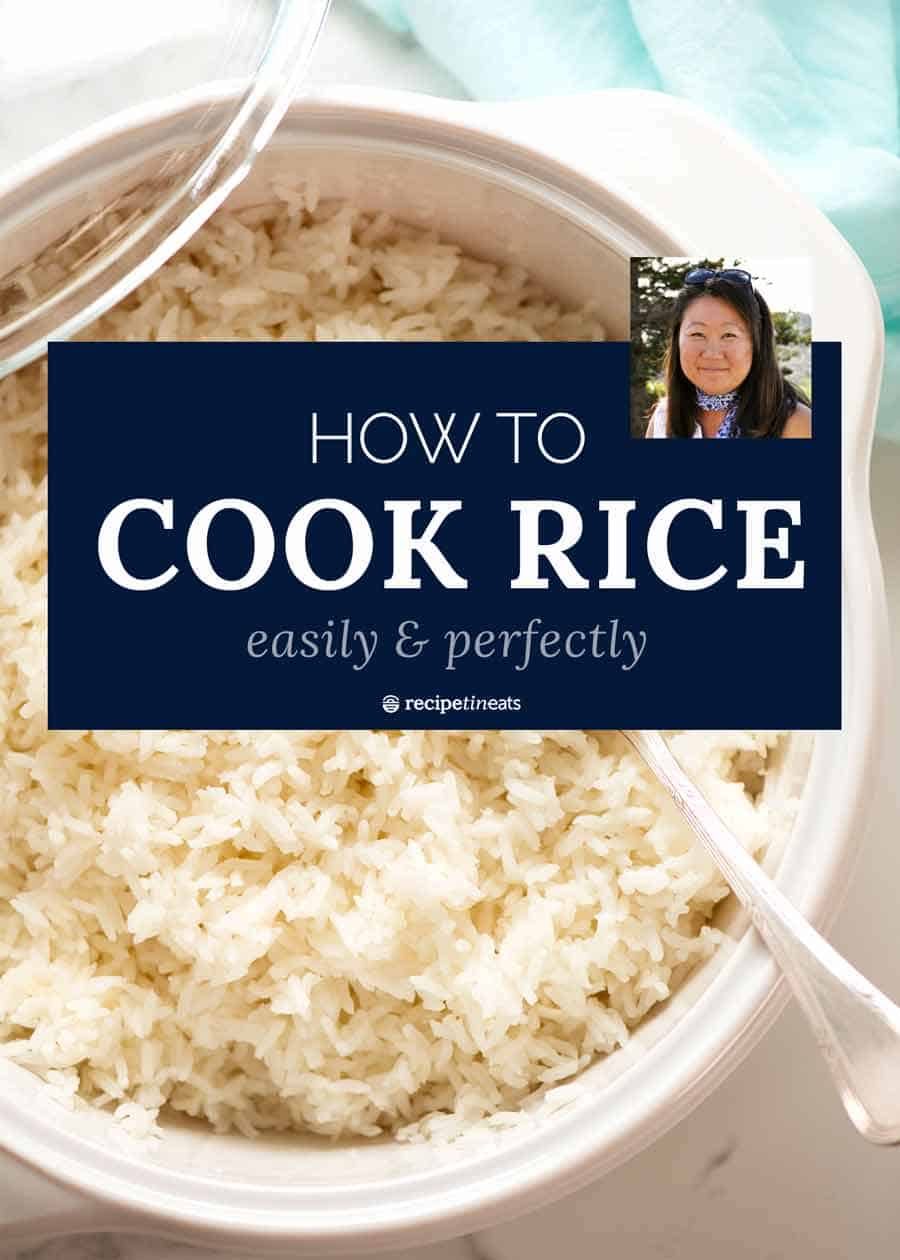
Achieve Perfect Rice: Essential Water Ratios & Rinsing Tips for Fluffy Perfection
For many, the quest for perfect rice seems like an elusive culinary holy grail. You’ve likely faced the frustration: grains that are either too mushy and sticky, or dry and undercooked, sticking to the bottom of the pot. But what if we told you that achieving consistently fluffy, perfectly cooked rice is not only possible but also surprisingly simple, even without a dedicated rice cooker?
Mastering how to cook perfect fluffy rice on the stove is a foundational skill that elevates any meal. It comes down to two often-overlooked yet critical steps: proper rinsing and precise water ratios. This comprehensive guide will demystify these techniques, ensuring you're rewarded with success every time you cook, turning what once felt like a challenge into a rewarding culinary accomplishment.
The Foundational Step: Why Rinsing Rice is Non-Negotiable
Before you even think about water ratios or heat, the journey to perfect rice begins with a thorough rinse. This isn't just a suggestion; it's a crucial step that directly impacts the texture and appearance of your finished product. Whether your rice comes in a cloth sack or a sealed bag, it's been handled and stored, and a quick wash ensures good hygiene. More importantly, rinsing addresses a fundamental issue: excess starch.
Rice grains naturally contain surface starch. When this starch is left on the grains and introduced to cooking water, it creates a cloudy, sticky broth that can lead to clumpy, gluey rice. By rinsing, you wash away this superficial starch, allowing the grains to cook up distinct, tender, and beautifully fluffy. It also helps prevent the rice from sticking excessively to the bottom of the pot.
How to Rinse Rice Effectively:
- Use a Fine-Mesh Sieve: This is the easiest and most efficient tool. Place the desired amount of rice into the sieve.
- Cold Running Water: Hold the sieve under a tap and run cold water over the rice.
- Agitate and Stir: Use your hand to gently stir and agitate the rice as the water runs through. You'll notice the water initially appears very cloudy.
- Rinse Until Clear: Continue rinsing and stirring until the water running through the sieve is largely clear, not milky or cloudy. This indicates that most of the excess surface starch has been removed. This process usually takes a minute or two.
Once rinsed, let the rice drain for a moment or two before adding it to your pot. This prevents introducing too much extra water into your carefully measured ratio.
Mastering the Water Ratio: Your Key to Consistency
The water-to-rice ratio is arguably the most critical factor in achieving ideal texture. Too much water results in mushy, overcooked grains, while too little leaves them hard, crunchy, or undercooked. While a general rule of thumb for some rice types is a 1:2 rice-to-water ratio, the optimal amount can vary depending on the specific type of rice and even your preferred texture.
For fluffy long-grain white rice, which is the focus of this detailed guide, a slightly lower water ratio often yields superior results. Our perfected method calls for 1 ½ cups of water for every 1 cup of long-grain white rice. This ratio is specifically calibrated to give you tender, separate grains without being sticky or dry.
Why Precise Measurement Matters:
- Consistency: Using consistent measuring cups (or even a consistent teacup if you don't have standard measures) ensures repeatable results every time.
- Absorption: Rice absorbs water as it cooks. The right ratio provides just enough liquid for the grains to fully hydrate and soften without becoming waterlogged.
- Evaporation: Some water inevitably evaporates during cooking. The ratio accounts for this, ensuring the rice is cooked through by the time the water is absorbed or evaporated.
It's important to note that this specific ratio is tailored for long-grain white rice. Other varieties, like brown rice, short-grain, or medium-grain rice, will require different water ratios and cooking times. Attempting to swap rice types without adjusting the liquid will likely lead to disappointing results. For brown rice, for example, you would typically need more water and a longer cooking time.
Step-by-Step Perfection: Cooking Long-Grain White Rice on the Stove
With your rice rinsed and your water ratio understood, you're ready for the simple, step-by-step cooking process that guarantees perfectly fluffy long-grain white rice.
Ingredients:
- 1 cup long-grain white rice (rinsed as described above)
- 1 ½ cups cold water
- ½ tsp kosher salt (adjust to taste, see tip below)
Instructions:
- Prepare Your Pot: Choose a small, heavy-bottomed pot with a tight-fitting lid. A heavy bottom helps distribute heat evenly and prevents scorching.
- Combine Ingredients: In the pot, combine the 1 ½ cups of water and ½ tsp of kosher salt.
- Bring to a Boil: Place the pot over high heat and bring the water to a rolling boil.
- Add Rice: Carefully pour the thoroughly rinsed and drained rice into the boiling water. Stir once gently to distribute the rice.
- Return to Simmer: Allow the water to return to a gentle simmer.
- Reduce Heat & Cover: As soon as it simmers, immediately lower the heat to the lowest setting possible. Cover the pot with its tight-fitting lid.
- Cook Undisturbed: Let the rice cook, undisturbed, for approximately 15 minutes. Resist the urge to lift the lid, as this releases steam and heat, interrupting the cooking process. The rice will cook best if left alone.
- Rest and Steam: After 15 minutes, remove the pot from the heat. Do not lift the lid yet. Instead, carefully remove the lid, quickly place a paper towel (or a clean kitchen towel) over the pot, and then replace the lid securely over the towel. This clever trick allows the towel to absorb any excess steam and condensation, leading to noticeably fluffier, less gummy rice. Let it rest, off the heat, for another 10 minutes.
- Fluff and Serve: After 10 minutes, remove the lid and the towel. Use a fork to gently fluff the rice, separating the grains. Serve immediately as a perfect accompaniment to any dish.
Beyond the Basics: Advanced Tips for Fluffier Results
While the steps above are foolproof, a few additional insights can further elevate your rice-cooking game:
- Salt Selection: The type of salt matters. Diamond Crystal kosher salt, with its larger, consistent granules, is often recommended for even seasoning without accidental over-salting. If using finer-grained Morton kosher salt or table salt, reduce the amount by about half and adjust to your preference. Don't skip the salt; it enhances the flavor of the rice itself.
- Burner Strength: Every stove burner has a different output. Always use your lowest-powered burner for simmering rice. If your burner is still too powerful, causing water to evaporate too quickly or scorching the bottom, don't worry. You can add a few tablespoons of extra water and return it to the lowest heat. If a scorched layer forms at the bottom, simply leave it be and scoop the unburnt rice from the top; it will be perfectly fine.
- Avoiding Sticky Rice: If you prefer your rice on the stickier side (common for sushi or some Asian dishes), you might slightly reduce the rinsing time or use a tiny bit more water, though this recipe is optimized for fluffy, separate grains. For truly sticky rice, specific short-grain varieties and methods are usually employed.
- Altitude Adjustment: At higher altitudes, water boils at a lower temperature, which can mean longer cooking times or a need for a tiny bit more water for the rice to fully hydrate. If you live at a very high altitude, you might need to experiment slightly with cook times.
- Batch Cooking & Storage: This recipe scales easily; just maintain the 1:1.5 rice-to-water ratio. Cooked rice, once cooled, can be stored in an airtight container in the refrigerator for 3-4 days, making it excellent for meal prep.
Conclusion
No more rice fails! With these essential techniques for rinsing and precise water ratios, combined with a methodical approach to stove-top cooking, you possess the knowledge to achieve perfectly fluffy, distinct grains every time. Forget the fancy gadgets; the secret to irresistible rice lies in these fundamental principles. So go ahead, confidently tackle how to cook rice, and transform this staple into a star on your plate.